Contact one of our floating solar experts +34 865 612 910 | isifloating@isigenere.com

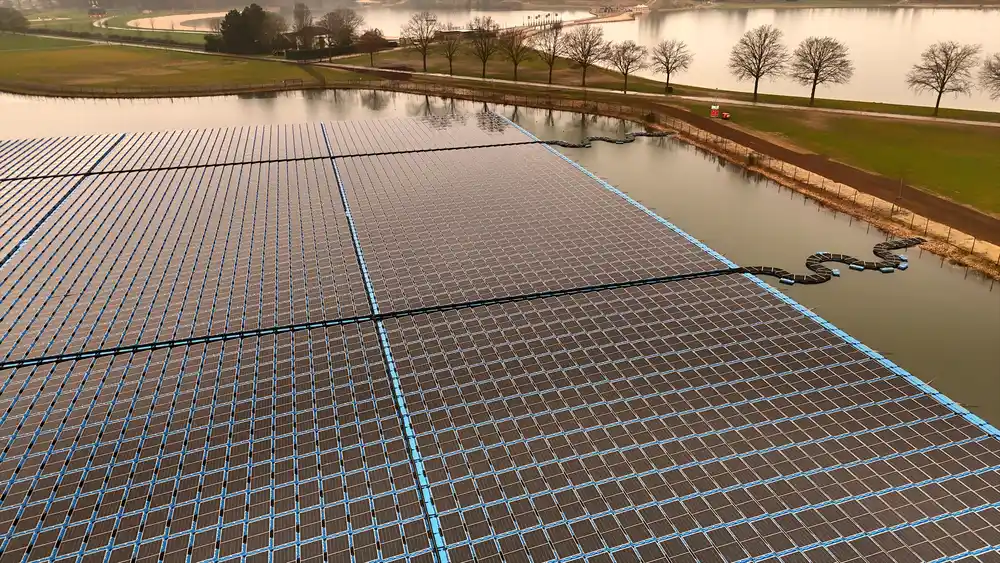
Planta solar flotante Isifloating sobre un embalse

The safest and most reliable floating solar technology.

Proprietary and patented since 2008. Conceived and designed specifically for solar installations on water bodies.

A solution that integrates a three systems

Isifloating technology integrates three systems designed specifically for water, working together as a single engineering element.
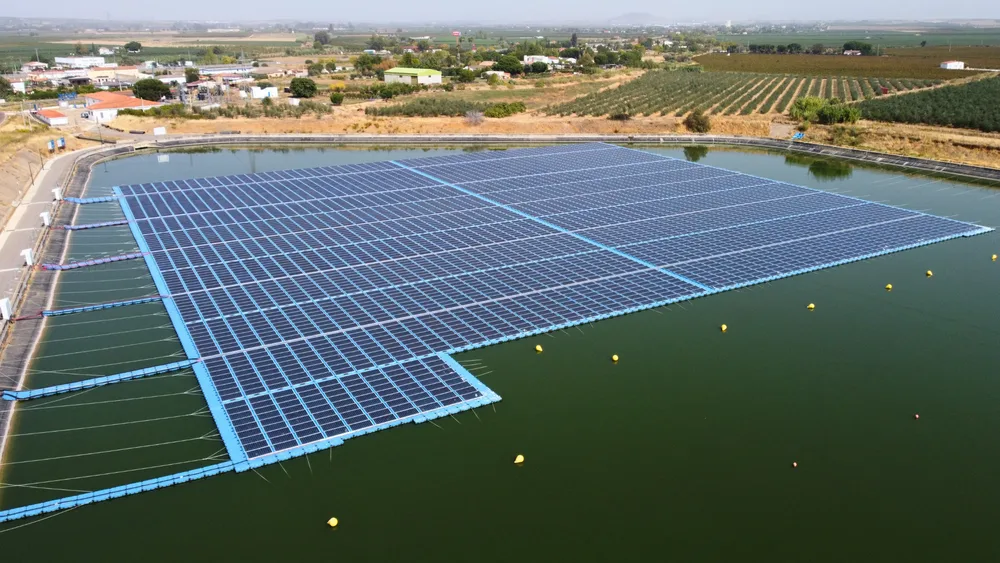
Floating structure system

01

Floating structure
system

A floating solar plant is only as reliable as its foundation.
Anchoring and mooring system

02

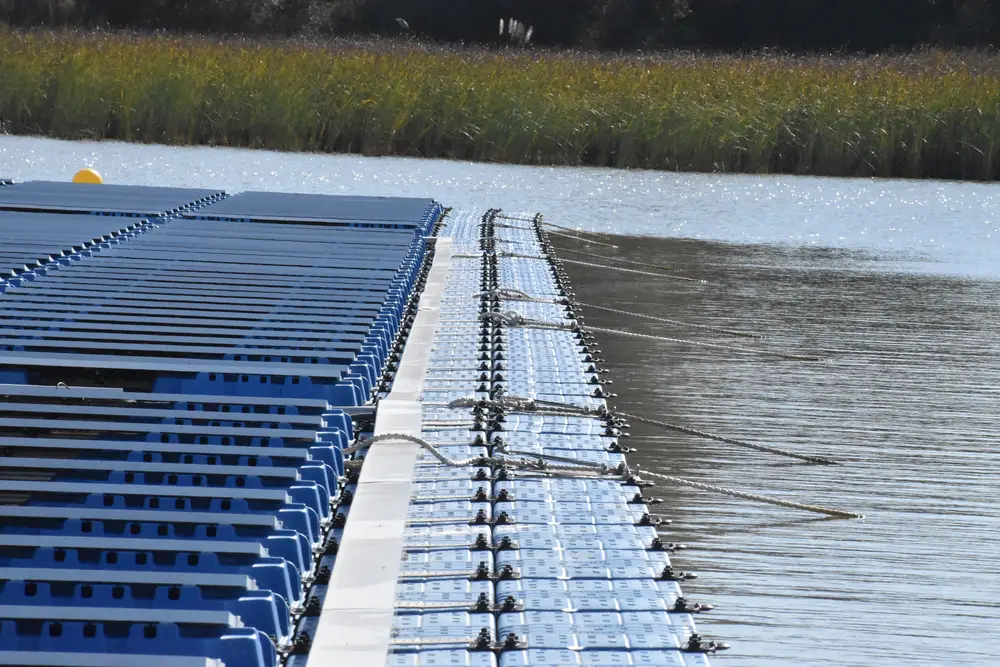
Anchoring and mooring system

The system that keeps the floating solar plant in place.

Electrical equipment support system

03

Electrical equipment support system

Carrying energy safely over water.

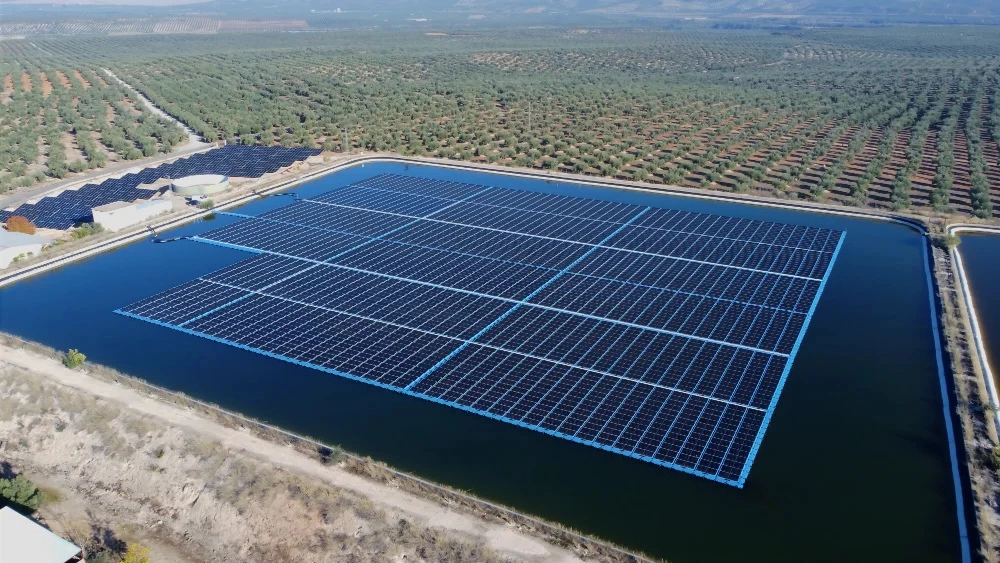
Planta solar flotante Isifloating en una balsa

Floating solar technology designed for stable, durable and reliable performance

Developed in 2008 and proven in more than 100 projects, our technology is specifically designed to meet the challenge of turning water bodies into suitable and safe sites for solar plants.

2008

Year the technology was developed

+100

Projects in which it has been proven

Conceived to deliver a system that is:

Safer

Reliable

Easy to transport

Simple to install

Weather-resistant

Maintenance-efficient

Cost-competitive

Applied by experts in every project

Specialized engineers apply Isifloating technology to provide our clients and partners with robust, efficient, custom-designed floating systems based on:

Isifloating technicians on a floating solar plant

Rigorous engineering

We design sound solutions that support informed, accurate decision-making, backed by expert technical judgment.

Continuous evolution

We apply the lessons learned since 2008 and advances in R&D&I to meet the present and future needs of floating solar.

Documentation

We support every floating solar system we design with clear, detailed documentation that enables informed decisions.

Adaptation

We tailor each project to its environment and objectives, including existing facilities for hybrid operation.

Technology designed for water.
Built to last.

Isifloating technology is an engineering solution conceived from scratch for aquatic environments, integrating the floating structure system, the anchoring and mooring system, and the electrical equipment support system. It is ready to operate safely on water bodies throughout the project’s service life.

SYSTEM 01

Floating structure

A floating solar plant is only as reliable as its foundation.

The design of the floating structure responds to the challenges posed by water: modular, stackable and ready to operate safely on ponds, reservoirs, lakes, quarries, mining sites and other water bodies.

The challenge our floating structure solves

Water bodies are subject to variable water levels, wind loads, waves, UV radiation, temperature cycles and specific chemical conditions. Our structure takes these factors into account from the outset to ensure correct operation from day one, with a clearly defined maintenance plan that prevents incidents.

Water level variation

Wind loads

Waves

UV radiation

Temperature cycles

Chemical conditions

The Isifloating system: component by component
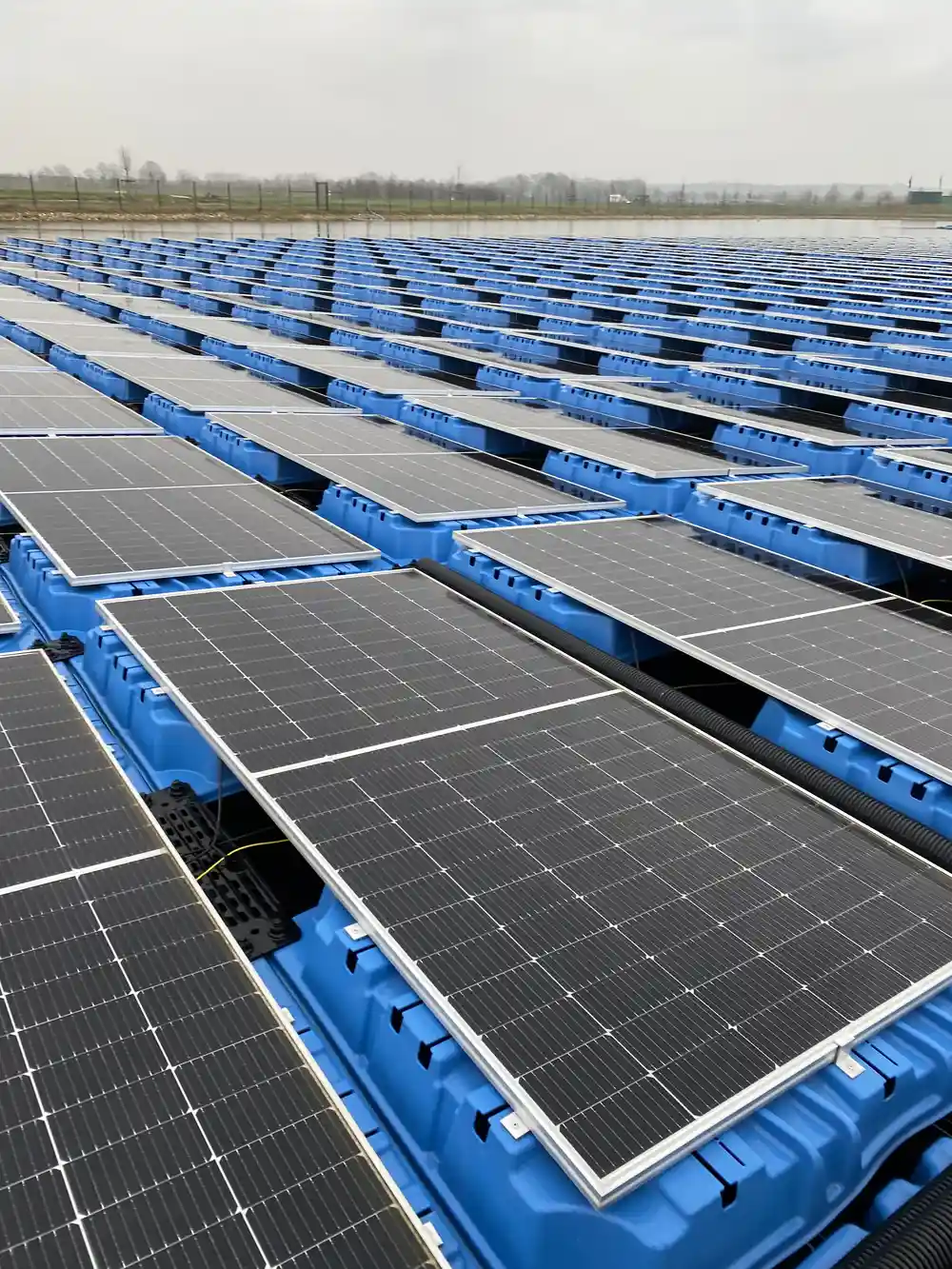
Flotador principal

01 · Photovoltaic module support

Main float

Two interlocking floats support each solar module. They form a closed concave surface that distributes loads evenly. This design eliminates weak points and reduces structural stresses in the components and the module.

Material: virgin HDPE with UV and antioxidant additives.

5° tilt and closed back: 4.4 times lower wind load than 12° systems.

Injection molding: 100% consistent wall thickness, no residual stresses.

Dimensions optimized for logistics in standard containers.

Suitable for drinking water
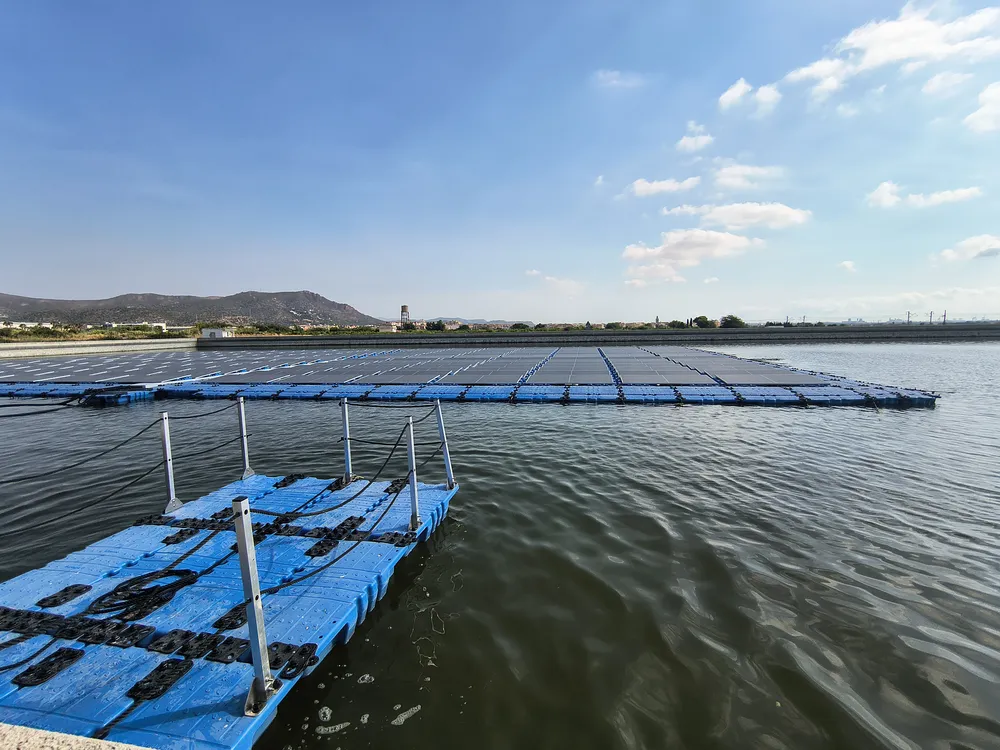
Secondary float

02 · Walkways and service corridors

Secondary float

They form the main walkways, allowing safe access on foot to every module. They allow integrating supports for cable trays, string inverters or combiner boxes, and other measuring equipment.

Material: virgin HDPE with UV and antioxidant additives, with anti-slip surface.

Buoyancy: 135Kg/m2.

Integrated cable routing.

Support for string inverters or combiner boxes.
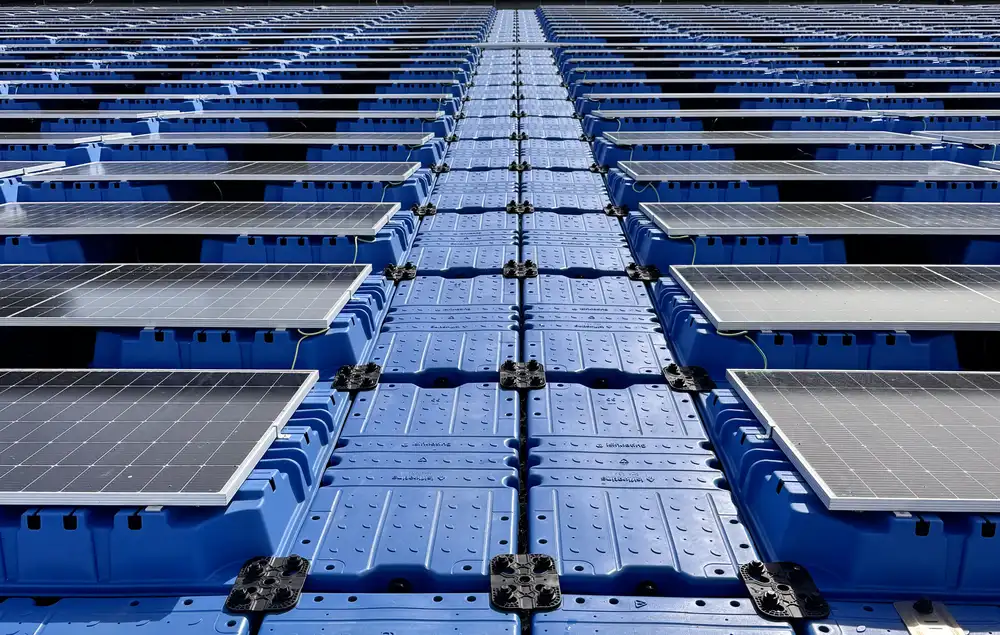
Float connection system

03 · Connectors and fasteners

Float connection system

The float connectors are flexible and semi-rigid, so they absorb and dissipate loads, preventing peak stresses from being transmitted directly to the structure and the floats.

Connectors: glass-fiber-reinforced PA6.

Bolts: corrosion-resistant, with no metal contact with the water.

Module fixing: 6063 T6 aluminum clamps.

Simple installation without specialized machinery.
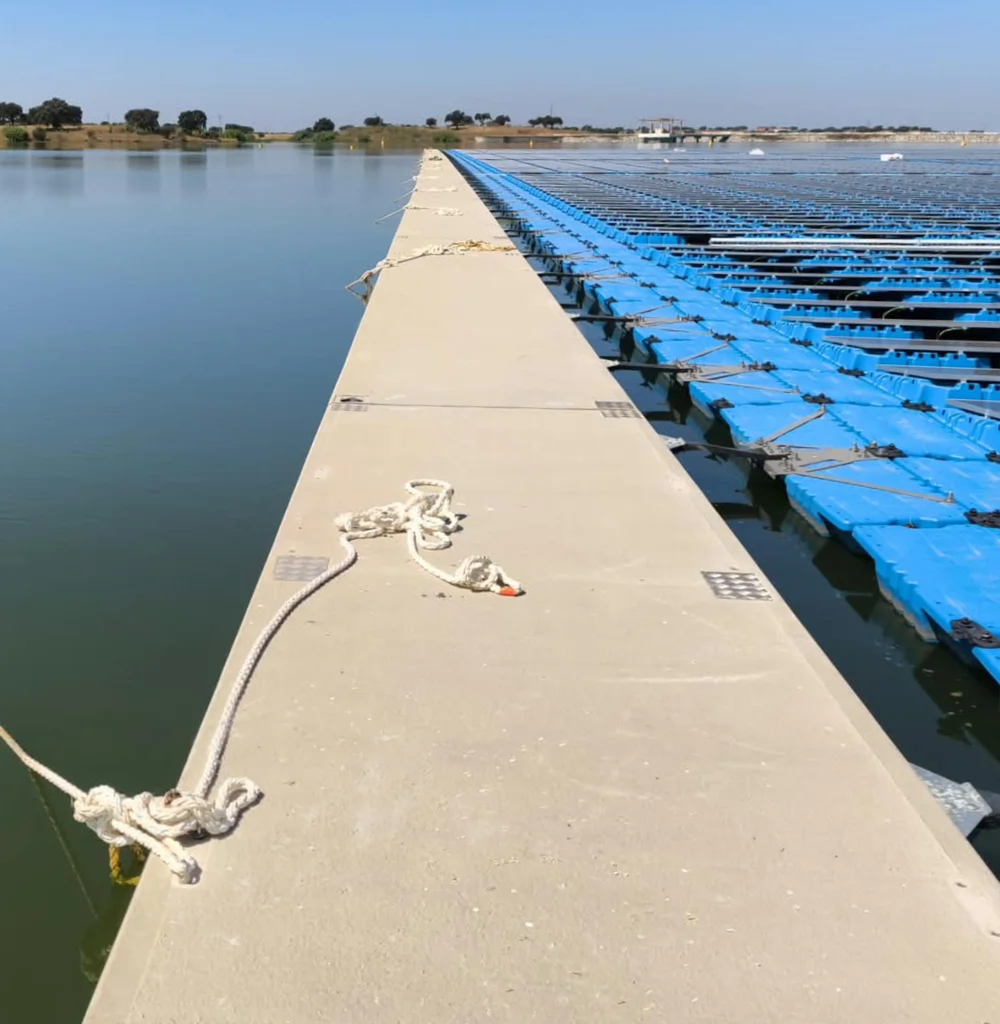
Breakwaters

04 · Perimeter protection

Breakwaters

Physical barriers around the floating solar plant, configured as pontoons, that reduce component fatigue by acting as protection against:

Waves

They reduce wave height to lower the loads on the structure and the mooring lines.

Wind

They block it, reducing direct loads on the module rows along the outer perimeter.

Debris

They prevent floating objects from entering or impacting the plant, especially during floods.

Technical characteristics of the pontoons

Precast in Ultra High-Performance Concrete (UHPC).

Fiber-reinforced, self-compacting and high-strength.

Interior divided into cells filled with expanded polystyrene.

Breakwaters are required on large water bodies such as reservoirs and dams. We define their sizing in the project-specific engineering, based on the fetch of the water body, the prevailing wind direction and the plant orientation.
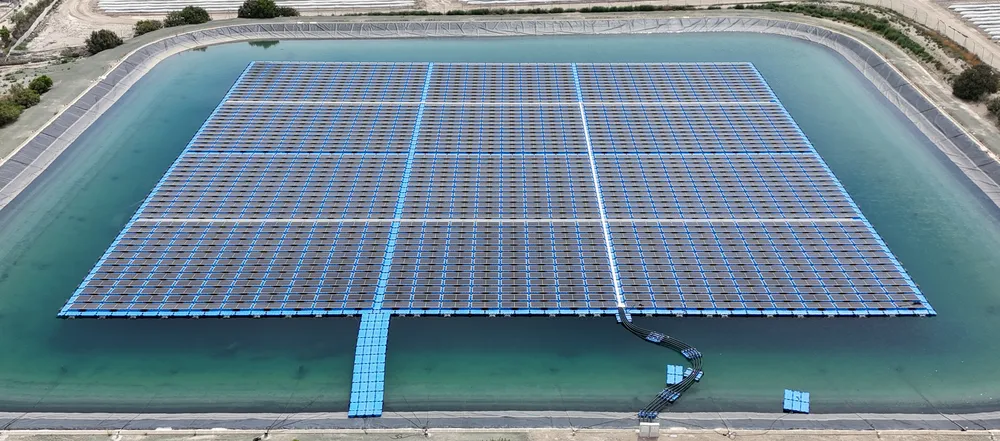
Isifloating floating platform seen from above

How it all fits together: the floating platform

Main floats, secondary floats, connectors and fasteners form a modular, scalable matrix adaptable to irregular water bodies. The platform is walkable and requires no cranes or heavy machinery for installation.

Modular and scalable

Walkable

No cranes or heavy machinery

SYSTEM 02

Anchoring and mooring

The system that keeps everything in place

Wind, waves and water level variations exert constant forces on the platform. The anchoring and mooring system turns those forces into safe, controlled behavior throughout the service life.

A critical project decision

In floating solar, the platform responds continuously to its environment. A properly sized anchoring and mooring system prevents degradation that develops over time, reducing structural fatigue. That is why it is an integral part of each project’s design.

We support our clients from the design of the anchoring and mooring system through to construction.

Step 1

Constraints and loads

We consider environmental constraints and loads to design a robust system.

Step 2

Equipment and costs

We analyze the available equipment and costs to achieve a cost-efficient installation.

Step 3

Operation and maintenance

We assess the required operation and maintenance to minimize future costs.

Each anchoring and mooring system is custom-designed

Anchoring and floating plant design are interdependent decisions: one cannot be sized without the other.

We always start from the actual site conditions: bathymetry, geotechnics, waves, wind and water level variation.

We calculate the system in accordance with Eurocode, recommended marine practices and DNV JIPs, together with applicable local regulations.

The result is a unique anchoring and mooring system for your water body, sized for the entire design service life of the asset.

Anchoring types

Shore anchors

Bottom anchors

Wall anchors

Hybrid anchors

Anchoring options

Piles

Helical anchors

Plate anchors

Chemical anchors

Concrete deadweights

Our reference solution

Elastic mooring

Elastic mooring lines absorb peak loads and smooth the platform’s response. The Isigenere–Seaflex strategic alliance integrates both technologies into a single solution for each project.

Isigenere
Seaflex

SYSTEM 03

Electrical equipment support

Carrying energy safely over water.

The electrical infrastructure operates on a platform in constant motion. Our system integrates cable trays, string inverter/combiner box supports and transformer supports as an engineering assembly designed for the aquatic environment.
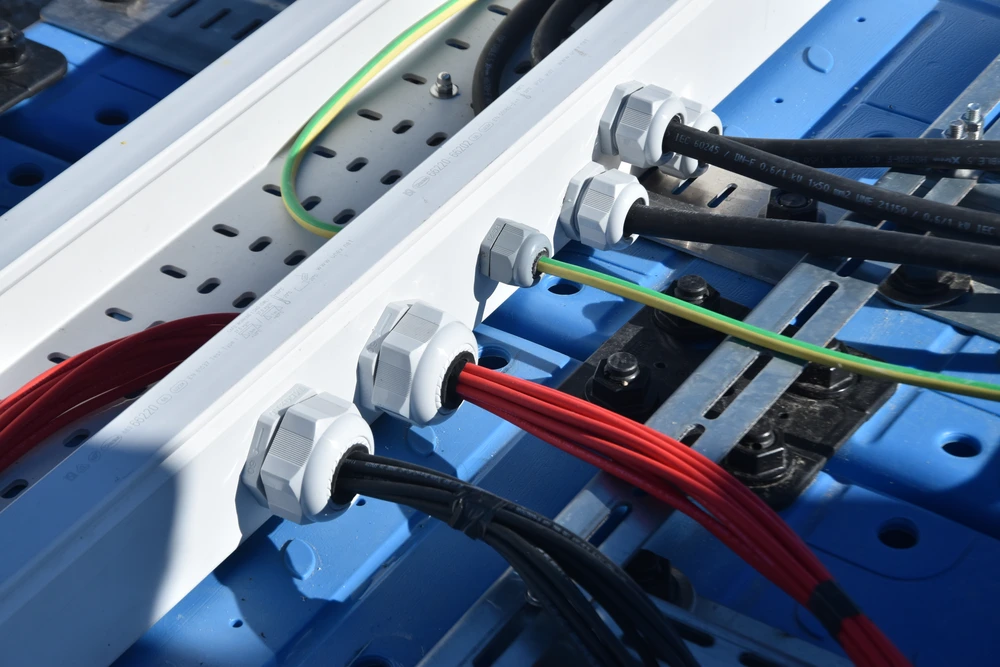
Cable trays and integrated cable routing

01

Cable trays and integrated cable routing

The secondary floats include supports for trays and conduits, allowing accessible, safe cable runs adapted to the platform’s movement.
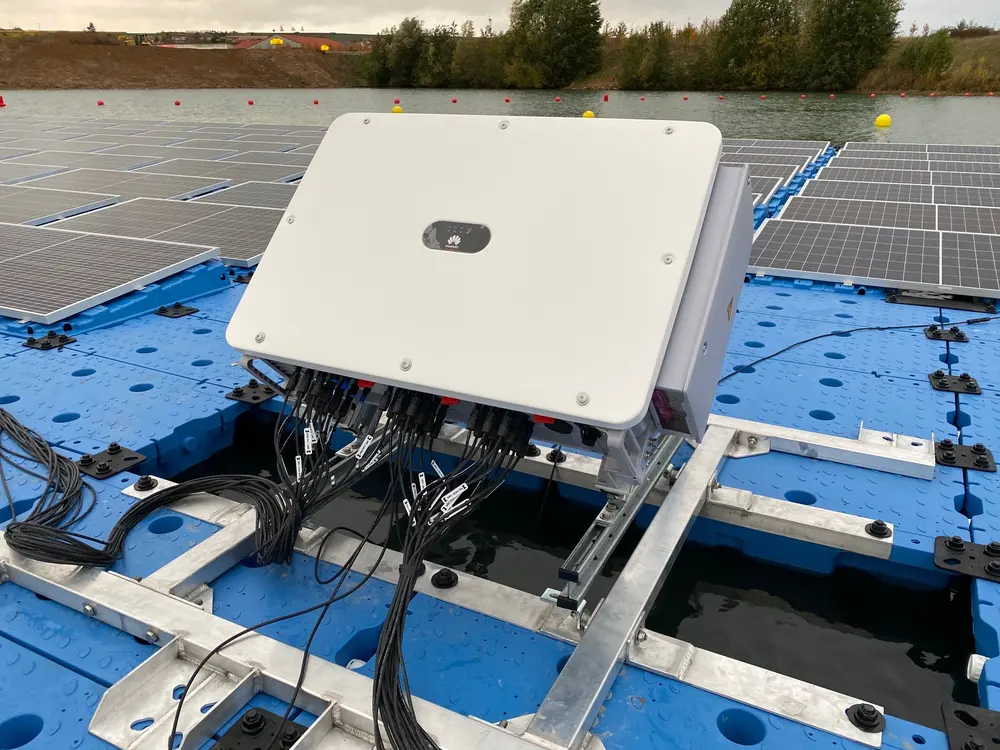
Inverter and combiner box supports

02

Inverter and combiner box supports

Dedicated positions for string inverters and combiner boxes, and metal elements that integrate this equipment into the floating platform.
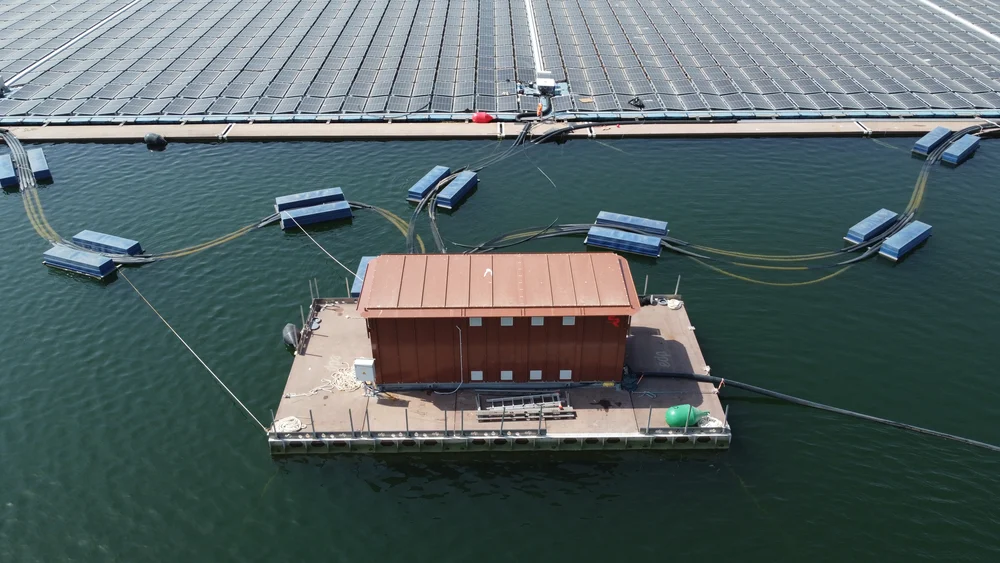
Transformer supports

03

Transformer supports

Precast pontoons in Ultra High-Performance Concrete (UHPC), fiber-reinforced, self-compacting and high-strength.
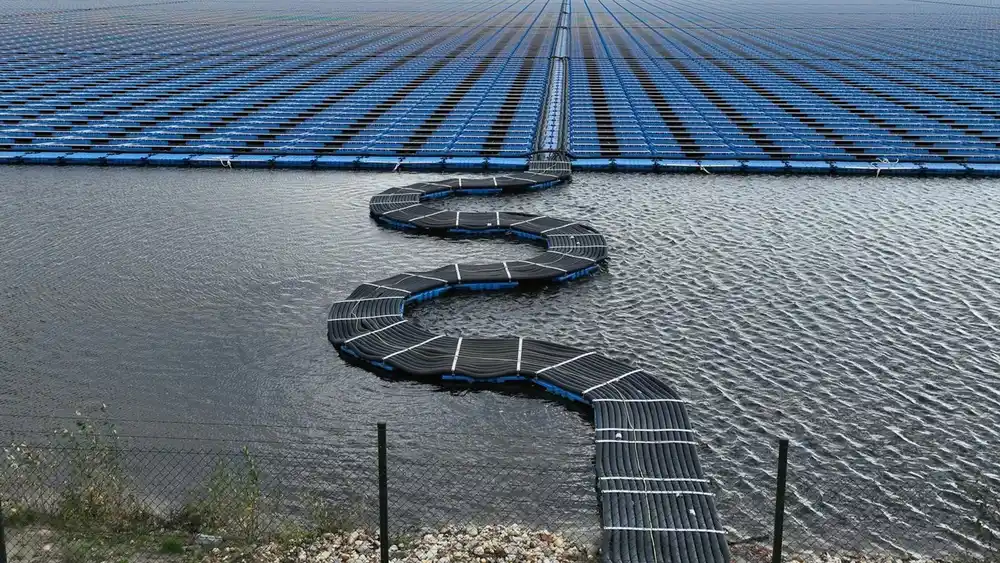
From platform to shore: the electrical transition

04

From platform to shore: the electrical transition

Buoys, flexible sections and conduits protect the cable on its route from the moving platform to the fixed infrastructure onshore.

Integrated electrical system design

The electrical support is designed as part of the project engineering, coordinated with the floating structure, the anchoring system and the electrical design of the client or EPC.

Documentation we deliver

Layout drawings

Cable routing drawing

Component specifications

Installation guides

What Isifloating technology delivers

250 Kg

load capacity per bifloat unit

>25 years

installation service life

5 generations

of improvement and lessons learned since 2008

Design and materials

Greater durability

The exclusive use of virgin HDPE with UV and antioxidant additives maximizes material resistance and extends the service life of the floating units.

Greater buoyancy

The 100% HDPE bifloat unit design provides greater structural support and buoyancy: 250 kg/module and 135 kg/m² on walkways.

Greater fatigue resistance

The polyamide/nylon + fiber connection system increases resistance to continuous and cyclic stresses.

Performance and durability

Greater stability

The 5° tilt with a closed back reduces the wind load on the system by 4 to 5 times compared with open 12° systems.

Higher peak power

The system design and module tilt avoid shading and increase peak power per unit area compared with other systems.

Longer structural service life

The elastic mooring system reduces peak forces and extends the durability of the structure.

Installation, logistics and O&M

More efficient and sustainable

Being stackable, it takes up 3–4 times less space, reducing transport, handling and storage costs, as well as the associated CO₂ emissions.

Greater installation savings

Assembly rates are faster thanks to the modular design and components that do not require complex machinery.

Higher O&M performance

Greater stability, buoyancy and the walkways make access easier and safer, reducing O&M time and costs.

Do you have a floating solar project in mind?

Get a personalized Initial Feasibility Study signed by an expert engineer from our team with the ideal solution for the water body you want to turn into a valuable energy asset.

What does it include?

  1. 1The recommended energy capacity
  2. 2The initial layout of the floating solar system
  3. 3The estimated budget

We reply within 48 hours.
No commitment, no cost, no sales pitch.

Why do we ask for this information? We only collect the information needed to fulfill your request for a personalized Initial Feasibility Study prepared by Isigenere's floating solar engineering experts, as well as to verify the relationship between the applicant and the water body in order to prevent fraudulent requests.

Let's start by getting to know you

Tell us about the project

Water body GPS coordinates* How to find the GPS coordinates of the water body? To find the Latitude and Longitude of the location according to the World Geodetic System 84 (WGS 84), you can visit gps-coordinates.net. Search for the water body on the map and click on it to see the Latitude and Longitude in the DD (decimal degrees) fields.

Would you like to add any details?

*Required fields