Contact one of our floating solar experts +34 865 612 910 | isifloating@isigenere.com

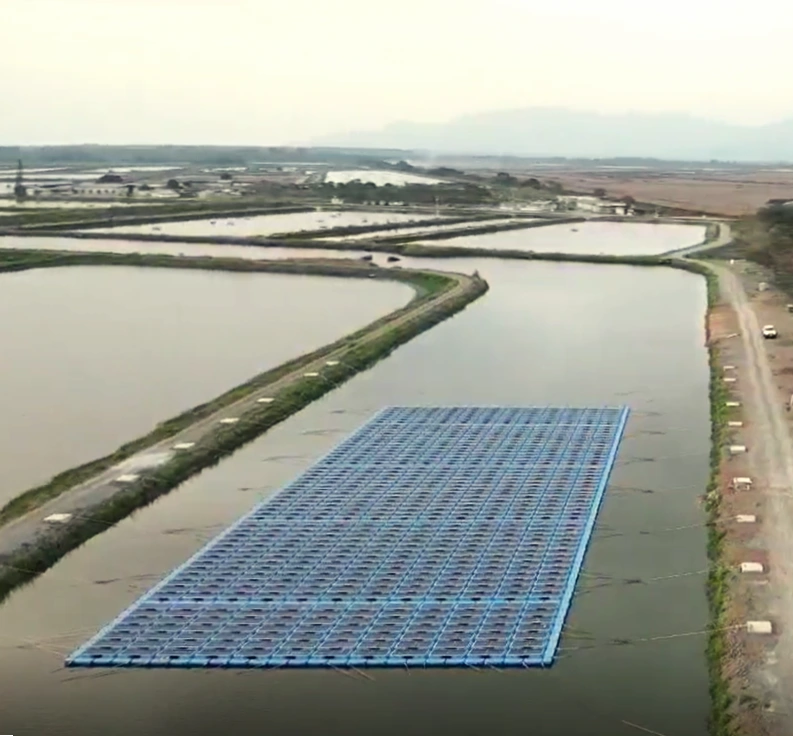
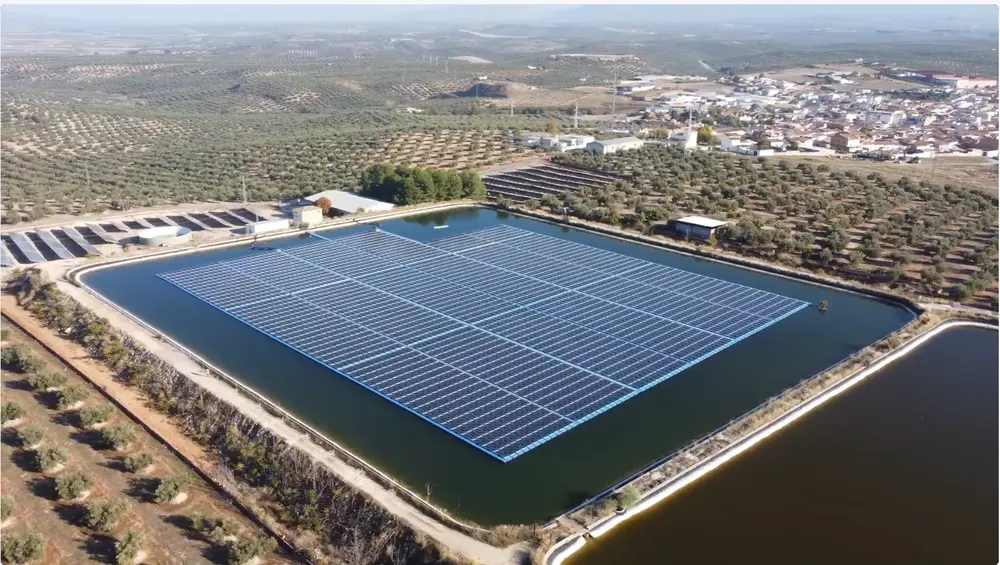
Isifloating floating solar plant on an irrigation pond

Your water body.
Your energy asset.

Isifloating works on irrigation ponds, reservoirs, flooded quarries and industrial ponds, bringing reliability and durability to your floating solar plant. Proven technology. Real projects.

Every environment,
a technical response.

Prior analysis determines our design. We calculate each project with the actual wind, wave and bathymetry data you provide in order to maximize its service life.
01

Ponds

Limited waves, more water surface.

02

Reservoirs and lakes

Large level variation, waves and wind.

03

Quarries and mines

A clean and stable energy source.

04

Special sites

Solutions for different environments.

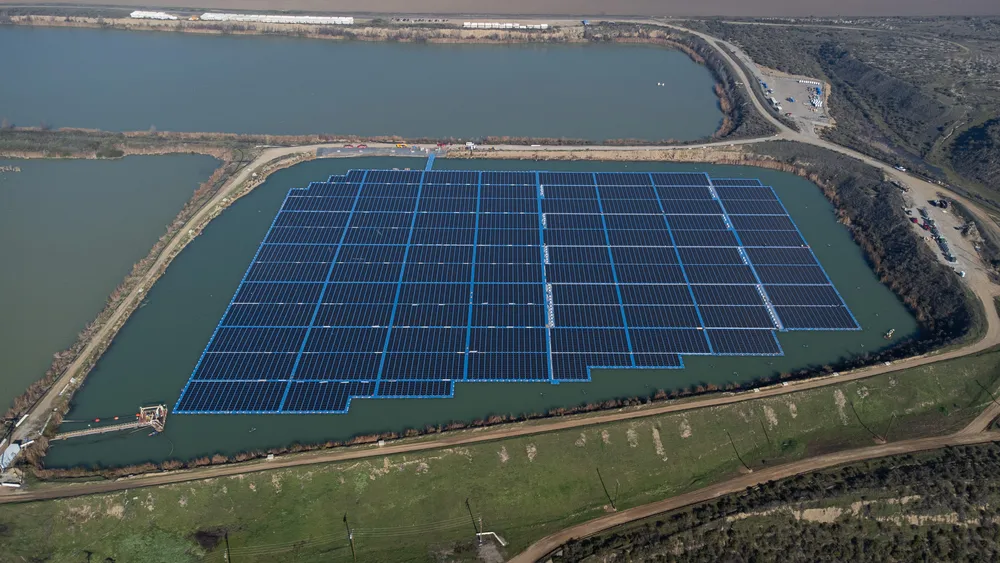
Floating solar plant: Ponds

01

Ponds

Limited waves. Installations covering a larger water surface.

Irrigation communities, agricultural cooperatives, data centers, water managers and developers who turn their ponds into valuable assets:

  • Shore anchors for geomembrane-lined ponds.
  • Long-travel mooring lines for water level variation.
  • Maximum surface coverage thanks to the absence of strong waves.
  • Ability to rest on the pond bottom or on the slopes, even in irregular ponds.
Floating solar plant: Reservoirs and lakes

02

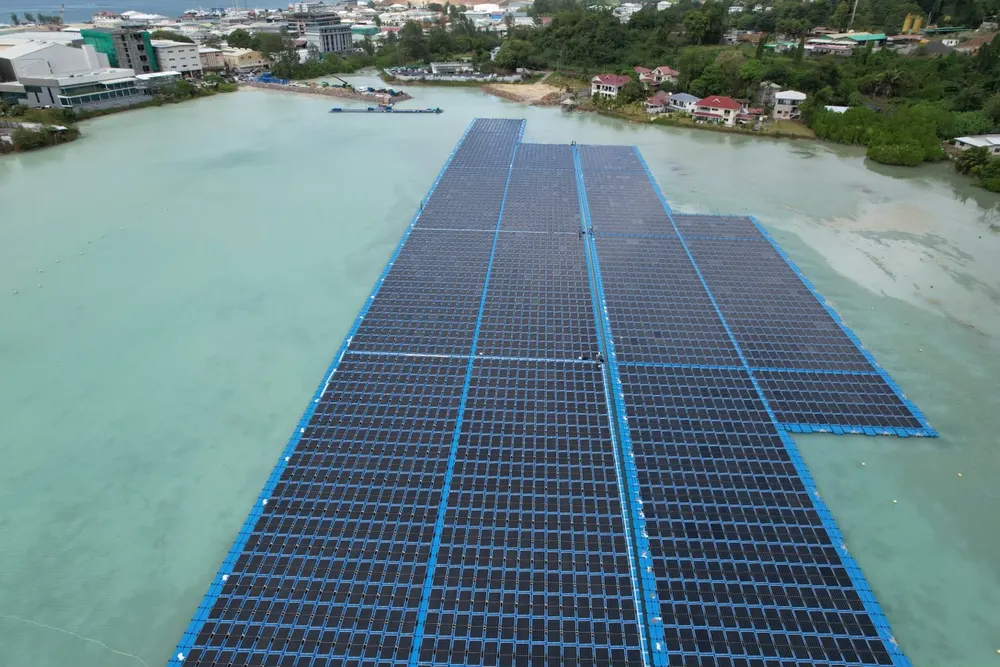
Reservoirs and lakes

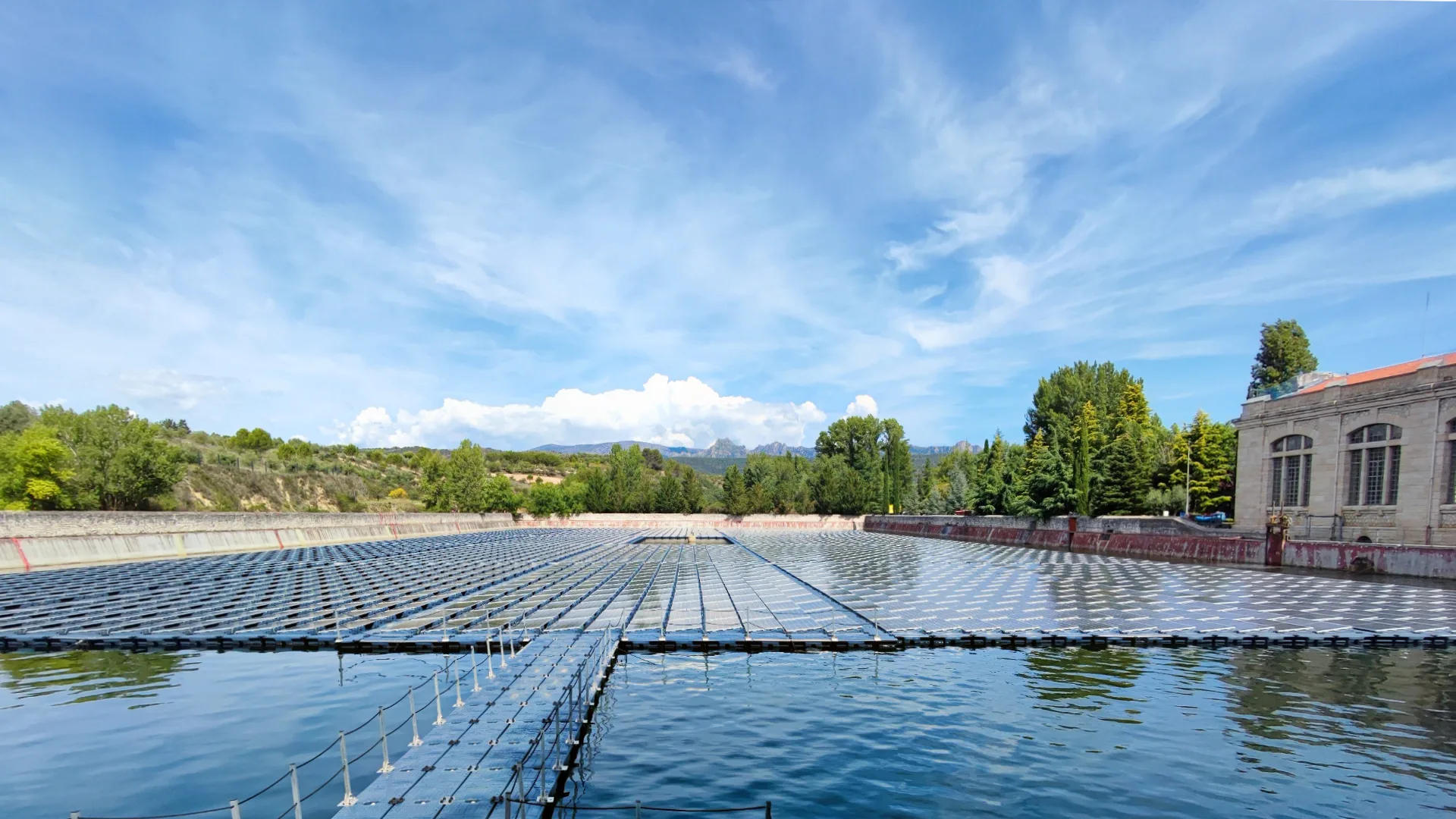
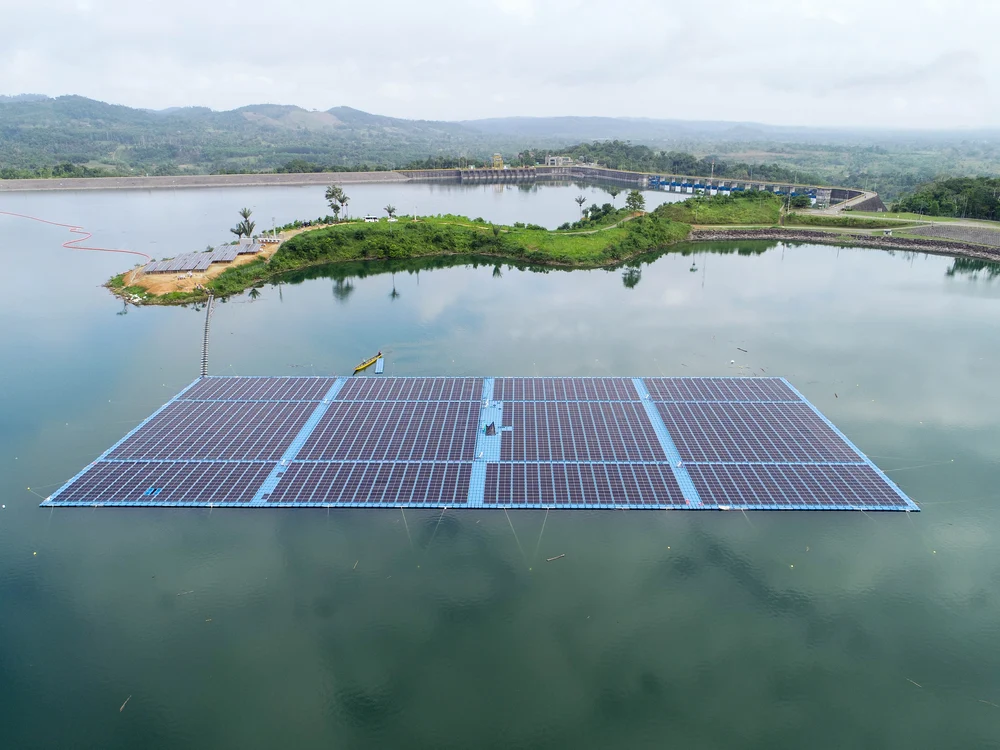
Large level variation, waves and wind. Stable operation

Utilities and large power companies with hydropower plants, river basin authorities, dam and water supply operators, IPPs and large-scale developers who make the most of their resources.

  • Elastic mooring for significant level variations.
  • Perimeter breakwaters that reduce fetch-induced fatigue.
  • Independent island layout, easy to install in phases.
  • Integration with existing hydraulic infrastructure.
Floating solar plant: Quarries and mines

03

Quarries and mines

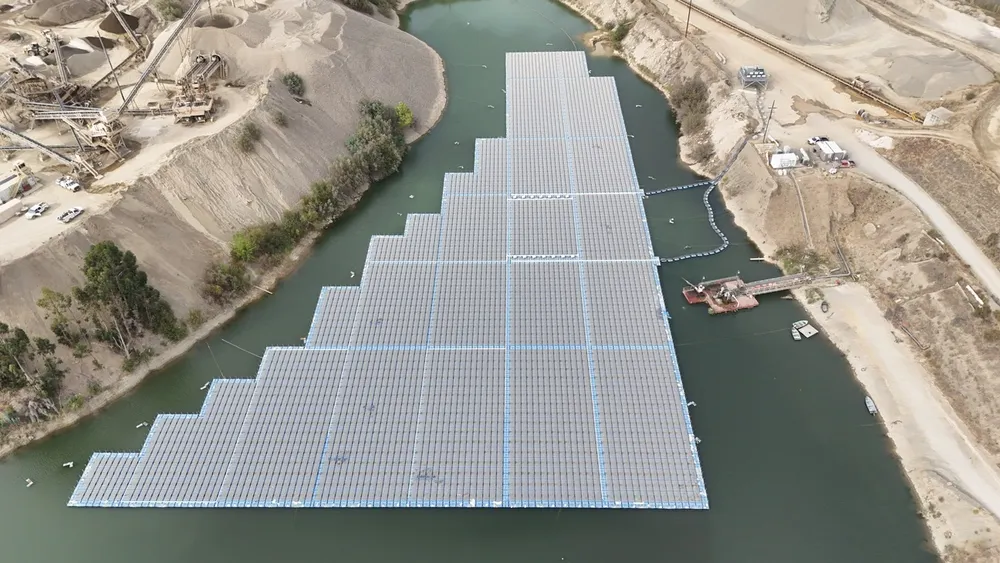
Inactive quarries. A clean and stable energy source.

Aggregate, cement and mining companies; operators of active or restored quarries; heavy industry with high self-consumption; developers seeking anthropized land and water.

  • Anchoring to rocky slopes due to the irregular bottom and depth.
  • Mooring lines that absorb water level changes from drawdown or rise.
  • Bathymetry and geotechnical slope analysis for safe positioning.
  • Coexistence with mining activity.
Floating solar plant: Special sites

04

Special sites

Specific solutions for different environments.

Aquaculture and shrimp farms, utilities and IPPs in nearshore projects, island administrations and territories with limited land, operators of channels and industrial ponds with process water.

  • Structures and mooring lines verified against waves, currents and tides.
  • Shading that improves farming conditions and regulates water temperature.
  • Compatibility with saline or wastewater.
  • Linear solutions for large channels.

A technology designed for water surfaces.

Every water body is unique. So is Isigenere’s technical solution. Our Isifloating technology adapts with specific solutions for each one.

Ponds

Ponds

Man-made water bodies for agricultural or industrial use, with variable water level and no significant waves.

Energy savings

Less evaporation

Frees up productive land

Reservoirs and lakes

Reservoirs and lakes

Large natural surfaces or dam-regulated reservoirs with great depth, fetch-generated waves or significant level variations.
Scalable

Bankable

Hybridization

ESG goals

Quarries and mines

Quarries and mines

Very deep pits with rocky slopes and irregular bottom, with level variations driven by pumping or rainfall filling.
Rock anchoring

Optimizes assets

Phased growth

Special sites

Special sites

Large aquaculture channels, sheltered nearshore sites or ponds with industrial process residues.

Corrosive environments

Tides and waves

Improved productivity

What do you currently use your water body for?

Irrigation

Ponds and channels that supply water to fields for agricultural production.

Hydropower

Dams, reservoirs and hydropower plants that generate energy directly from water.

Water management

Water retention facilities to secure supply or treatment for end use.

Aquaculture

Ponds, basins and tanks for farming aquatic organisms in fresh or salt water.

Industrial process

Ponds, tanks, lakes, quarries, mines and reservoirs used for an industrial activity.

Other uses

From natural water bodies for recreational use to man-made lakes in residential areas.

From water body to asset,
in three phases

01

Engineering and design

We study the water body, bathymetry, wind, waves, operation and regulations to design a specific floating system using Isifloating technology.

02

Manufacturing and supply

We manufacture the floating system components and manage their shipment, together with the anchoring and mooring system, to the installation site within the agreed time frame.

03

Technical support and training

We support the installation and the asset’s service life with specialized technical support, installer training and O&M best-practice documentation.

Most frequently asked questions

How do you design the anchoring and mooring system?

At Isigenere we custom-design the anchoring and mooring system together with the floating structure, since they are interdependent decisions. We start from the actual site conditions taken from the studies (bathymetry, geotechnics, hydrodynamics and water level variation) and calculate in accordance with Eurocode (or equivalent standards), recommended marine practices and DNV guidelines.

For each project we define the required shore anchors (driven steel profiles, screw anchors, plates, chemical anchors) and/or bottom anchors (piles, plates, concrete deadweights, etc.). Our reference solution for sites with large level variations and complex conditions is SeaFlex elastic mooring. This system allows the plant to adapt to water level and wind, and helps dampen the loads transmitted to the structure and the anchor points.

Does Isigenere install the floating solar plant?

The Isifloating system is installed by your EPC or installer. Our approach is to support you as a technical partner throughout every phase of the project, from design and throughout the asset’s service life. We design, manufacture and supply the floating system, train the installers and support you during construction, working with your engineering firm, EPC and installer, without taking on construction management or installation. Once construction is complete, we inspect the installation and issue the report that activates the warranty.

Can I install a plant on my irrigation pond without affecting irrigation?

Yes. Installing an FPV plant on your irrigation pond turns it into an energy asset while keeping its original function, generating electricity to cover the pumping needs for irrigation. It also brings other water conservation benefits, as it reduces evaporation and minimizes the growth of microorganisms.

On lined ponds we use shore anchors on the crest that preserve the geomembrane, and long-travel mooring lines for seasonal level variations. One example is our project for Campo de Cartagena, which, with the energy generated, covers 85% of the consumption of the pumping station that supplies some 5,000 hectares.

What happens when the water level drops or the water body is emptied?

We take water level variation into account at the engineering stage: we calculate based on the minimum water surface expected over the FPV plant’s service life, sizing the mooring lines to follow every level variation. For example, on ponds we design the floating structure so that it can rest safely on the bottom if the pond is emptied due to drought, cleaning or liner repair. The underside of the floats has rounded corners with no sharp edges, preventing damage to the geomembrane. At our first plant on an irrigation pond, in operation since 2009, the floats have rested on the slopes during level drawdowns without damaging the liner.

Is your system compatible with the specific water chemistry of my industrial pond?

Yes. The HDPE material we use for our floats performs well across a pH range of 1.5 to 14. For each industrial project we review a water analysis to verify the compatibility of all components and, where necessary, define specific replacement intervals for elements such as mooring lines. We have experience with industrial process water, slurry ponds and salt water. The compatibility of the electrical equipment must be validated by your EPC using the same water analysis.

What is Isifloating technology?

Isifloating technology, developed, proven and patented by Isigenere, is the most reliable technical solution for turning water bodies into suitable and safe sites for solar plants. It integrates three systems designed specifically for water, working together as a single engineering element: the floating structure, the anchoring and mooring system, and the electrical equipment support. Since 2008 we have evolved our technology (R&D) up to the current version (Isifloating 6.0), incorporating what we have learned from real projects and the advances developed in our R&D&I department.

Do you have a floating solar project in mind?

Get a personalized Initial Feasibility Study signed by an expert engineer from our team with the ideal solution for the water body you want to turn into a valuable energy asset.

What does it include?

  1. 1The recommended energy capacity
  2. 2The initial layout of the floating solar system
  3. 3The estimated budget

We reply within 48 hours.
No commitment, no cost, no sales pitch.

Why do we ask for this information? We only collect the information needed to fulfill your request for a personalized Initial Feasibility Study prepared by Isigenere's floating solar engineering experts, as well as to verify the relationship between the applicant and the water body in order to prevent fraudulent requests.

Let's start by getting to know you

Tell us about the project

Water body GPS coordinates* How to find the GPS coordinates of the water body? To find the Latitude and Longitude of the location according to the World Geodetic System 84 (WGS 84), you can visit gps-coordinates.net. Search for the water body on the map and click on it to see the Latitude and Longitude in the DD (decimal degrees) fields.

Would you like to add any details?

*Required fields